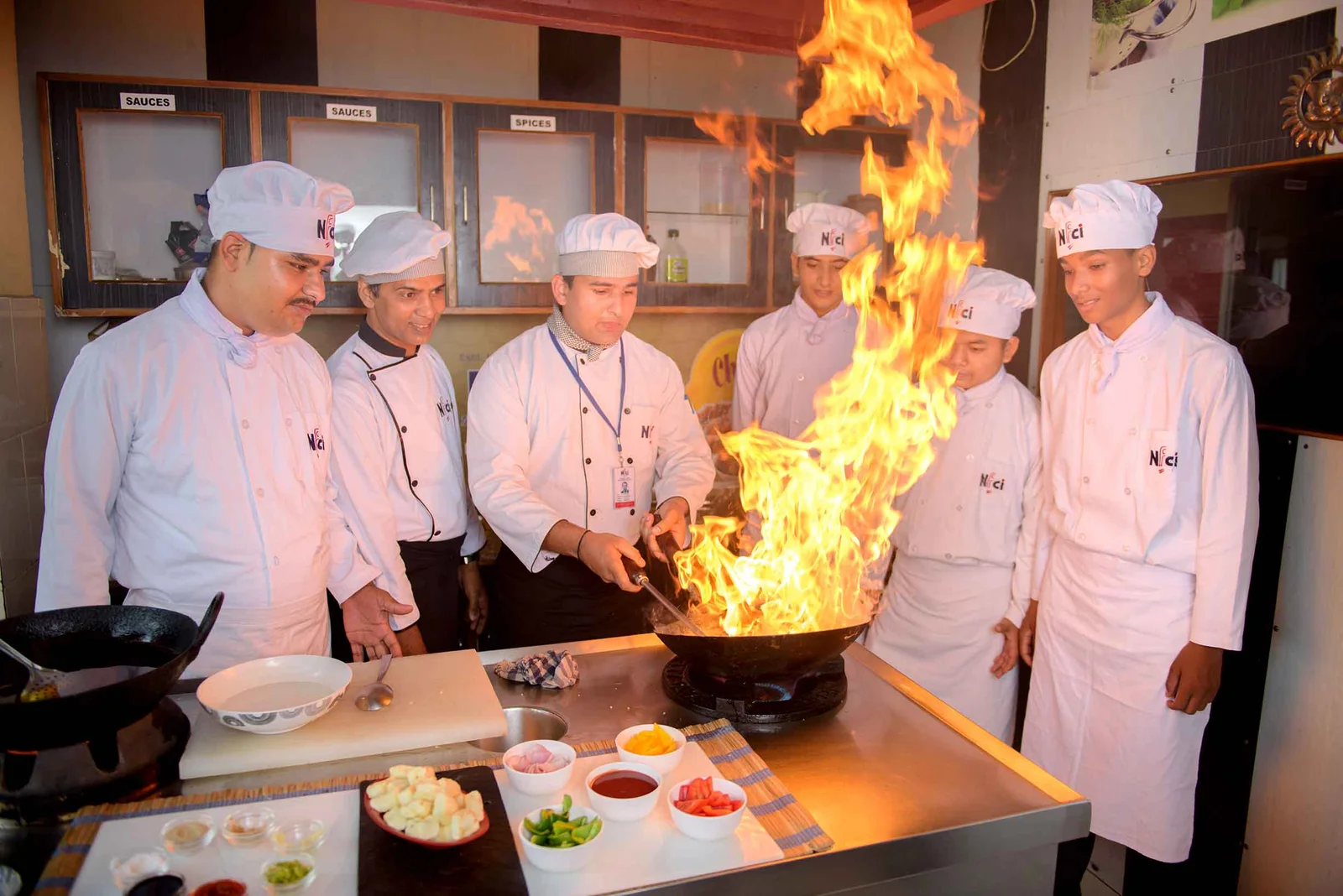
The Hospitality Department focuses on training students in food production, food and beverage service, housekeeping, and customer care. It equips learners with practical skills and knowledge needed to work in hotels, restaurants, and the tourism industry while promoting professionalism, hygiene, and quality service.
Catering and Accommodation refers to the services that provide food, beverages, and lodging for individuals or groups.
Catering includes planning, preparing, and serving meals for events, workplaces, or hospitality settings.
Accommodation involves providing lodging or temporary stay facilities, such as hotels, guesthouses, or hostels, ensuring comfort and convenience for guests.
Food and beverage service involves all activities related to serving meals and drinks to guests in a professional and hospitable manner. It includes taking orders, delivering food and beverages, setting tables, ensuring customer satisfaction, and maintaining cleanliness and service standards.
Food and beverage production is the industrial process of transforming raw agricultural materials into safe, consumable food and drink products for consumers. It involves several key stages:
Sourcing & Receiving – Obtaining raw materials such as grains, fruits, vegetables, meat, milk, and water from farms or suppliers.
Processing & Manufacturing – Cleaning, cutting, cooking, fermenting, pasteurizing, mixing, or preserving ingredients to create finished products.
Quality Control & Safety – Ensuring products meet health, safety, and regulatory standards through testing and inspection.
Packaging – Sealing products in appropriate materials to maintain freshness, extend shelf life, and provide labeling information.
Storage & Distribution – Transporting products under proper conditions (e.g., refrigeration) to retailers or consumers.
The goal of food and beverage production is to deliver nutritious, safe, and high-quality products efficiently while maintaining consistency and meeting consumer demand.